
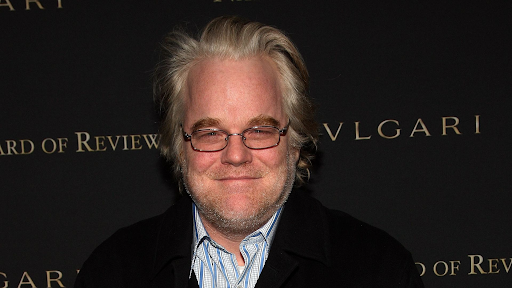
Philip Seymour Hoffman was one of the most respected actors of his generation. His powerful performances, award-winning roles, and long career made him a major figure in Hollywood. At the time of his death in 2014, published estimates placed his wealth between $25 million and $35 million.
However, those figures need context. Some sources describe his estimated personal net worth, while others discuss the value of his estate. These are not always the same thing. His property, investments, financial obligations, and future film earnings all affected how his wealth was reported.
Philip Seymour Hoffman Net Worth in 2026: Reported Fortune
The most frequently repeated estimate of Philip Seymour Hoffman net worth is approximately $25 million. Other reports, including a 2026 article by Social Life Magazine, place his estate value closer to $35 million.
Neither figure should be treated as an audited final total. Public reporting does not provide a complete breakdown of every asset, debt, tax liability, and later royalty payment. Therefore, the fairest description is that his reported fortune was estimated in the $25 million to $35 million range.
| Quick fact | Details |
| Full name | Philip Seymour Hoffman |
| Born | July 23, 1967 |
| Died | February 2, 2014 |
| Age at death | 46 |
| Profession | Actor, director, producer |
| Reported net worth | $25 million–$35 million |
| Partner | Mimi O’Donnell |
| Children | Cooper, Tallulah, and Willa Hoffman |
| Academy Award | Best Actor for Capote |
| Height | Approximately 5 feet 10 inches |
Why Do Philip Seymour Hoffman’s Net Worth Estimates Differ?
The difference between $25 million and $35 million is important. Celebrity wealth websites commonly publish estimated net-worth figures, while news reports may discuss an estate’s estimated value. Those descriptions can refer to different calculations and dates.
An early probate filing reportedly listed assets at more than $500,000, but that figure was not a complete final valuation of everything Hoffman owned. It should not be confused with the total value of his wealth. His financial picture was more complicated than one headline number.
Donny Schatz Net Worth in 2026: Career, Earnings, and Racing Legacy
Philip Seymour Hoffman’s Early Life and Background
Philip Seymour Hoffman was born on July 23, 1967, in Fairport, New York, near Rochester. His mother, Marilyn O’Connor, worked as a lawyer and later became a family-court judge. His father, Gordon Stowell Hoffman, worked for Xerox.
His parents divorced when he was young. Hoffman grew up with his siblings and developed an interest in performance during his school years. Although he later became a major Hollywood star, his early life was rooted in an ordinary suburban community.
Childhood and Family in Fairport, New York
Hoffman attended Fairport High School, where he became involved in sports and theatre. A neck injury ended his wrestling ambitions, encouraging him to focus more seriously on acting. That change helped shape the direction of his future career.
His interest in theatre grew through school productions and local performance opportunities. He discovered that acting allowed him to explore different personalities and emotions. Rather than chasing celebrity, he became interested in the craft itself.
Education at NYU Tisch School of the Arts
After high school, Hoffman studied drama at New York University’s Tisch School of the Arts. He also developed his skills through formal theatre training and performance experience. He graduated in 1989 and began pursuing professional acting opportunities.
His education gave him a strong foundation in stage performance. It also connected him with other young performers and theatre professionals. These early relationships helped him enter New York’s acting community before his film career expanded.
Philip Seymour Hoffman’s Acting Career and Rise to Fame
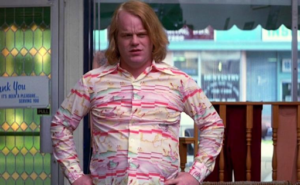
Hoffman’s acting career developed steadily rather than through one overnight success. He began with small television and film appearances, then built a reputation through memorable supporting roles. Directors valued his ability to make complicated characters feel believable.
His performances often stood out even when he was not the lead actor. He could play vulnerable, arrogant, funny, troubled, or deeply unsettling characters without making them feel artificial. This range became one of his greatest professional strengths.
First Acting Roles and Early Film Appearances
One of Hoffman’s early screen appearances came in the television series Law & Order in 1991. He followed it with film roles, including Triple Bogey on a Par Five Hole and Scent of a Woman in 1992.
Although these projects did not immediately make him a leading star, they helped him gain experience and industry attention. He continued accepting varied roles, gradually building a filmography that included independent dramas and major studio productions.
Breakthrough Performance in Boogie Nights
Hoffman’s performance as Scotty J. in Boogie Nights (1997) became an important turning point. The film, directed by Paul Thomas Anderson, explored the adult-film industry in the 1970s and 1980s. Hoffman brought emotional vulnerability to a difficult character.
He continued working with Anderson in Magnolia and later The Master. Their creative partnership produced some of his most memorable performances. These films strengthened his reputation as an actor who could bring depth to challenging material.
Movies That Established His Hollywood Reputation
During the late 1990s and early 2000s, Hoffman appeared in several films that expanded his audience. His credits included The Big Lebowski, Happiness, The Talented Mr. Ripley, and Almost Famous.
In Almost Famous (2000), he played music journalist Lester Bangs. His performance captured the character’s sharp intelligence and passion for music. Meanwhile, The Talented Mr. Ripley showcased his ability to create a memorable supporting character within a suspenseful story.
Shannon Reardon Swanick: The Full Story Behind the Name
His Oscar-Winning Performance in Capote
Hoffman’s portrayal of writer Truman Capote in Capote (2005) became the defining performance of his career. He transformed his voice, posture, and mannerisms to portray the author during the research and writing of In Cold Blood.
The role earned him the Academy Award for Best Actor in 2006. He also received major recognition from the Golden Globes, BAFTA, and Screen Actors Guild. The award confirmed his position among the leading actors of his era.
Philip Seymour Hoffman’s Highest-Earning Movies and Salaries
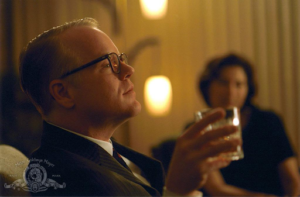
Hoffman’s career earnings came from a combination of film salaries, television work, theatre projects, directing, and other professional activities. However, detailed contracts for most of his films are not publicly available. As a result, exact lifetime earnings cannot be calculated reliably.
His growing reputation allowed him to work in both independent cinema and large studio productions. Those projects offered different financial opportunities. While independent films strengthened his artistic reputation, major productions gave him access to larger budgets and potentially higher salaries.
Mission: Impossible III and His Hollywood Earnings
In Mission: Impossible III (2006), Hoffman played Owen Davian, the film’s main antagonist opposite Tom Cruise. His performance brought a frightening intensity to the action franchise and introduced him to a much larger global audience.
Social Life Magazine has reported a salary estimate of approximately $3 million to $5 million for the film. That figure should be treated as a published claim rather than a verified contract amount. The role nevertheless demonstrated his value in major studio productions.
Philip Seymour Hoffman and The Hunger Games Franchise
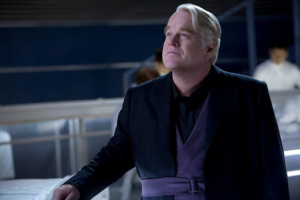
Hoffman joined The Hunger Games series as Plutarch Heavensbee, a key figure in the rebellion against the Capitol. He appeared in Catching Fire (2013) and the two Mockingjay films, expanding his presence in a successful global franchise.
The films introduced his work to younger audiences and added another major commercial series to his filmography. His involvement also continued after his death through the completion of the final films using existing footage and production adjustments.
Catching Fire and Reported Movie Salary
Some entertainment reporting has attached substantial salary figures to Hoffman’s work in Catching Fire and the wider franchise. Social Life Magazine has cited a reported $10 million salary for Catching Fire and total franchise compensation estimates of $15 million to $20 million.
These numbers have not been independently established through publicly available contracts. They should therefore be described as reported estimates, not confirmed payments. A responsible account of Philip Seymour Hoffman salary avoids presenting uncertain figures as settled financial facts.
Other Successful Films That Contributed to His Wealth
Hoffman appeared in a wide range of commercially successful and critically respected films. His credits included Charlie Wilson’s War, Doubt, Moneyball, The Ides of March, The Master, and A Most Wanted Man.
Each project contributed to his professional standing and likely to his overall earnings. However, box-office revenue does not equal an actor’s personal income. Production costs, distribution agreements, studio arrangements, and individual contracts determine how much performers actually receive.
Awards, Achievements, and Career Recognition
Hoffman’s awards reflected the respect he earned from critics, fellow performers, and audiences. His Academy Award was the highest-profile recognition, but it was only one part of a career filled with major nominations and celebrated performances.
He received four Academy Award nominations in total, winning for Capote. His work also earned recognition from the Golden Globes, BAFTA, and Screen Actors Guild. These achievements helped establish his lasting reputation in film.
Academy Award and Oscar Nominations
Hoffman won the Oscar for Best Actor for Capote. He had also received nominations for Charlie Wilson’s War, Doubt, and The Master. These nominations covered different types of characters and demonstrated his ability to lead complex dramatic performances.
His role in The Master was especially praised for its psychological intensity. Playing Lancaster Dodd, he created a charismatic and controlling figure inspired by the world of religious movements. The performance remains one of his most discussed screen roles.
Golden Globe, BAFTA, and SAG Recognition
Alongside his Oscar, Hoffman earned major awards recognition from several film organisations. His Capote performance brought him a Golden Globe, BAFTA, and Screen Actors Guild Award for Best Actor.
These awards strengthened his professional reputation and reflected broad industry recognition. They also helped distinguish him from actors known mainly for commercial success. Hoffman’s career combined artistic credibility with roles in major productions.
Broadway and Tony Award Nominations
Hoffman remained deeply connected to theatre throughout his career. He received Tony Award nominations for his stage performances, including True West and Long Day’s Journey into Night. His theatre work showed that his talent extended beyond film and television.
He also appeared in Death of a Salesman, playing Willy Loman in the 2012 Broadway revival. The production earned strong attention and another Tony nomination. His stage performances demonstrated the discipline and emotional control that shaped his screen work.
Philip Seymour Hoffman’s Theatre Career and Other Projects
Theatre was not simply an early step toward Hollywood for Hoffman. It remained a central part of his professional life. He helped develop productions, supported emerging performers, and worked behind the scenes as a director.
His involvement in New York theatre gave him a creative space beyond film studios. It also reflected his interest in storytelling as a collaborative process rather than only a route to fame or financial success.
LAByrinth Theater Company and John Ortiz
Hoffman co-founded LAByrinth Theater Company with actor John Ortiz. The New York-based company became known for developing new plays and supporting adventurous theatrical work. It provided a platform for artists who wanted to explore stories outside mainstream commercial productions.
Through LAByrinth, Hoffman contributed as a performer, director, and creative leader. The company became an important part of his artistic identity. Its work also showed that his professional interests extended beyond the Hollywood film industry.
His Work as a Theatre Director
Hoffman directed numerous stage productions during his career. His directing work allowed him to shape performances from a different perspective and collaborate closely with writers and actors.
He approached theatre as a serious artistic practice. This commitment is important when considering his Philip Seymour Hoffman biography, because his achievements cannot be measured only through movie roles or reported wealth.
Who Is Shani Levni? The Full Story Behind the Name
Philip Seymour Hoffman’s Personal Life and Family
Hoffman generally kept his personal life away from celebrity headlines. He had a long-term relationship with costume designer and producer Mimi O’Donnell. They had three children together and built their family life primarily in New York.
His private world was important to his financial decisions, especially those concerning his will and inheritance. Reports about his estate frequently discuss his wish for his children to grow up with a normal understanding of money.
His Relationship with Mimi O’Donnell
Hoffman and Mimi O’Donnell were together for approximately 14 years. O’Donnell worked in costume design and theatre, and the two shared connections to New York’s creative community.
Although they were not married, they raised three children together. Hoffman named O’Donnell as the primary beneficiary in his will. This decision later became a major part of public discussion about his estate and family arrangements.
Philip Seymour Hoffman’s Three Children
Hoffman and O’Donnell had one son, Cooper, and two daughters, Tallulah and Willa. He reportedly wanted his children to have opportunities and stability without growing up disconnected from ordinary responsibilities.
His family life influenced the way he approached inheritance. Rather than creating a large trust structure directly for the children, his will left his estate to O’Donnell, with the expectation that she would care for their family.
His Private Lifestyle and Approach to Money
Despite his success, Hoffman was not widely associated with an extravagant celebrity lifestyle. Reports described him as relatively modest in his personal habits and careful about the effect wealth could have on his children.
His reported financial philosophy focused on giving his children a grounded upbringing. That approach helps explain why his estate planning received attention after his death. His wealth was not simply a measure of luxury; it was also connected to family responsibilities.
Philip Seymour Hoffman’s Houses and Real Estate

Real estate formed part of the public discussion about Hoffman’s finances. Reports have identified a West Village apartment in Manhattan and a property in upstate New York. However, public information does not provide a complete property portfolio or a final balance sheet.
Property values also change over time. The original purchase price of a home does not necessarily represent its value at the time of an owner’s death. This distinction matters when comparing reported estate figures.
His West Village Apartment in New York
Hoffman reportedly purchased a West Village apartment in 2004 for approximately $3.2 million. The property was described as a spacious Manhattan residence where he lived with his family.
The apartment is frequently mentioned in articles about his assets. However, its purchase price alone cannot establish the value of his entire estate. Any later valuation would depend on the property’s condition, market prices, ownership details, and outstanding financial obligations.
His Property in Upstate New York
Reports have also connected Hoffman with a home in upstate New York. The property reflected his ties to the state where he grew up and offered a different setting from his Manhattan life.
As with the apartment, a reliable final market valuation is not publicly established in the competitor material. It is therefore better to discuss the property as part of his reported real-estate holdings without inventing a current price.
Philip Seymour Hoffman’s Estate, Will, and Inheritance
Hoffman’s estate became a major subject of public reporting after his death. His will was signed in 2004, before the birth of his two younger daughters. It named Mimi O’Donnell as the primary beneficiary.
The decision attracted attention because it did not create separate large trusts for each child. Reports said Hoffman wanted O’Donnell to manage the money and provide for their children. His approach reflected personal beliefs about parenting and wealth.
Who Inherited Philip Seymour Hoffman’s Estate?
Hoffman’s will left his estate to Mimi O’Donnell. Reports about the estate explained that he trusted her to use the assets for the benefit of their children: Cooper, Tallulah, and Willa.
This arrangement does not mean the children were excluded from financial support. Instead, O’Donnell was placed in control of the inheritance and family financial decisions. The distinction is important when discussing Philip Seymour Hoffman inheritance and the way his estate was structured.
His 2004 Will and Estate Planning Decisions
Hoffman signed his will in 2004, when he had one child. His two daughters were born later, so they were not individually named in the original document. Nevertheless, the will directed his estate to O’Donnell.
Reports indicated that Hoffman did not want his children to become what he described as trust-fund kids. He preferred that they grow up with everyday experiences and learn the value of work. His estate plan reflected that personal approach.
Estate Taxes and the Reported $35 Million Fortune
Some reports estimated that estate taxes and other obligations could significantly reduce the amount ultimately available to the family. Social Life Magazine has suggested potential estate-tax costs of $12 million to $15 million, but this figure is not independently verified.
It is important not to subtract that estimate from the reported $35 million and present the result as a confirmed inheritance. Tax calculations depend on ownership, deductions, liabilities, applicable laws, and the actual value of the estate.
Why Philip Seymour Hoffman’s Net Worth Estimates Remain Different
The $25 million and $35 million estimates appear in different publications, but they may not measure exactly the same thing. One may refer to an estimated personal fortune, while another may describe a broader estate valuation.
An estate can include property, financial accounts, personal possessions, contractual payments, and other interests. It can also face debts, taxes, and administration costs. Without a complete public accounting, neither headline estimate should be treated as a definitive final figure.
Philip Seymour Hoffman’s Death and Financial Legacy
Hoffman died on February 2, 2014, in Manhattan, at the age of 46. His death was ruled an accidental drug overdose. The news shocked the film and theatre communities and brought renewed attention to his personal struggles.
His passing also left unfinished professional work and a family facing difficult decisions. Yet his performances continued reaching audiences through films already released and projects completed after his death. His artistic influence remains central to his legacy.
When and How Philip Seymour Hoffman Died
Hoffman was found dead in his Manhattan apartment in February 2014. The medical examiner determined that his death resulted from an accidental overdose involving a combination of drugs. The news prompted widespread tributes from colleagues and admirers.
His death should be discussed with care and without sensationalism. He had spoken publicly about addiction and recovery, and his passing renewed conversations about substance-use disorders and the challenges people can face during recovery.
His Final Years and Personal Struggles
Hoffman had struggled with substance use earlier in his life and had maintained a long period of sobriety before relapsing in 2013. His final year was difficult, but he continued working on film and theatre projects.
The details of his struggle are part of his biography, but they do not define the whole of his life. His professional achievements, family relationships, and contributions to the arts deserve equal attention.
His Lasting Influence on Film and Theatre
Hoffman’s influence comes from the depth and honesty he brought to his characters. He could make supporting roles feel essential and lead performances feel deeply human. His work continues to be studied by actors, directors, and film fans.
From Capote to The Master, his performances showed how careful character work can elevate a story. His theatre contributions also helped support New York’s independent stage community. That creative legacy is more enduring than any single estimate of his wealth.
Philip Seymour Hoffman’s Net Worth: An Original Look at His Financial Legacy
One useful way to understand Hoffman’s fortune is to separate three different questions: how much he earned during his career, what assets he owned when he died, and how much his family ultimately received after estate administration.
These questions are often blended together in celebrity net-worth articles. However, a successful actor’s lifetime earnings are not the same as the value of their estate. Taxes, expenses, property values, investments, and contractual payments can all change the final picture.
His career also included different kinds of work. Major studio films, independent productions, theatre directing, and stage performances did not necessarily provide the same financial returns. His artistic choices helped build his reputation, while his Hollywood roles expanded his earning opportunities.
For that reason, the $25 million to $35 million range is best understood as a summary of published estimates, not a precise calculation. The strongest conclusion is that Hoffman achieved substantial financial success while remaining deeply committed to acting and theatre.
Frequently Asked Questions
What Was Philip Seymour Hoffman’s Net Worth When He Died?
Published estimates generally place Philip Seymour Hoffman net worth at death between $25 million and $35 million. The $25 million figure appears in several celebrity wealth reports, while some estate coverage has cited approximately $35 million.
How Much Did Philip Seymour Hoffman Earn From The Hunger Games?
Some reports estimate that Hoffman received a substantial payment for Catching Fire and the wider franchise. Social Life Magazine has cited $10 million for Catching Fire and $15 million to $20 million across the franchise, but these figures are not independently verified.
Who Inherited Philip Seymour Hoffman’s Money?
His 2004 will named his longtime partner, Mimi O’Donnell, as the primary beneficiary. Reports said Hoffman trusted her to manage the inheritance and provide for their three children, Cooper, Tallulah, and Willa.
How Many Children Did Philip Seymour Hoffman Have?
Hoffman had three children with Mimi O’Donnell: one son, Cooper, and two daughters, Tallulah and Willa. He reportedly wanted them to have a grounded upbringing rather than grow up relying entirely on inherited wealth.
What Movie Won Philip Seymour Hoffman an Oscar?
Hoffman won the Academy Award for Best Actor for playing Truman Capote in Capote (2005). The award was presented in 2006 and recognised one of the most celebrated performances of his career.
How Old Was Philip Seymour Hoffman When He Died?
Hoffman was 46 years old when he died on February 2, 2014. He was born on July 23, 1967, in Fairport, New York.
What Was Philip Seymour Hoffman’s Height?
Hoffman was approximately 5 feet 10 inches tall. His physical appearance was never the defining feature of his career; audiences and critics primarily recognised him for his acting range and character performances.
What Were Philip Seymour Hoffman’s Most Famous Movies?
Some of his best-known films include Capote, Boogie Nights, The Big Lebowski, Magnolia, Almost Famous, The Talented Mr. Ripley, Doubt, The Master, and The Hunger Games series.
Did Philip Seymour Hoffman Work in Theatre?
Yes. Theatre remained an important part of his career. He co-founded LAByrinth Theater Company with John Ortiz, directed stage productions, and appeared in Broadway plays including Death of a Salesman.
Did Philip Seymour Hoffman Leave an Updated Will?
His will was signed in 2004 and was not updated after the births of his two younger daughters. It named Mimi O’Donnell as the primary beneficiary, with the understanding that she would care for their children.
Final Thoughts
Philip Seymour Hoffman built a remarkable career through talent, discipline, and a willingness to take on challenging roles. His Oscar-winning performance in Capote, major films, and theatre work established him as one of his generation’s most respected performers.
His reported fortune is commonly estimated between $25 million and $35 million, although the exact final estate value is not publicly established. Ultimately, his greatest legacy is not a financial figure but the memorable performances and artistic contributions he left behind.
